Trades
Where the admin goes wrong in appliance repair companies
Tie part orders, trip charges, deposits, supplier credits, and service receipts back to the right repair job.
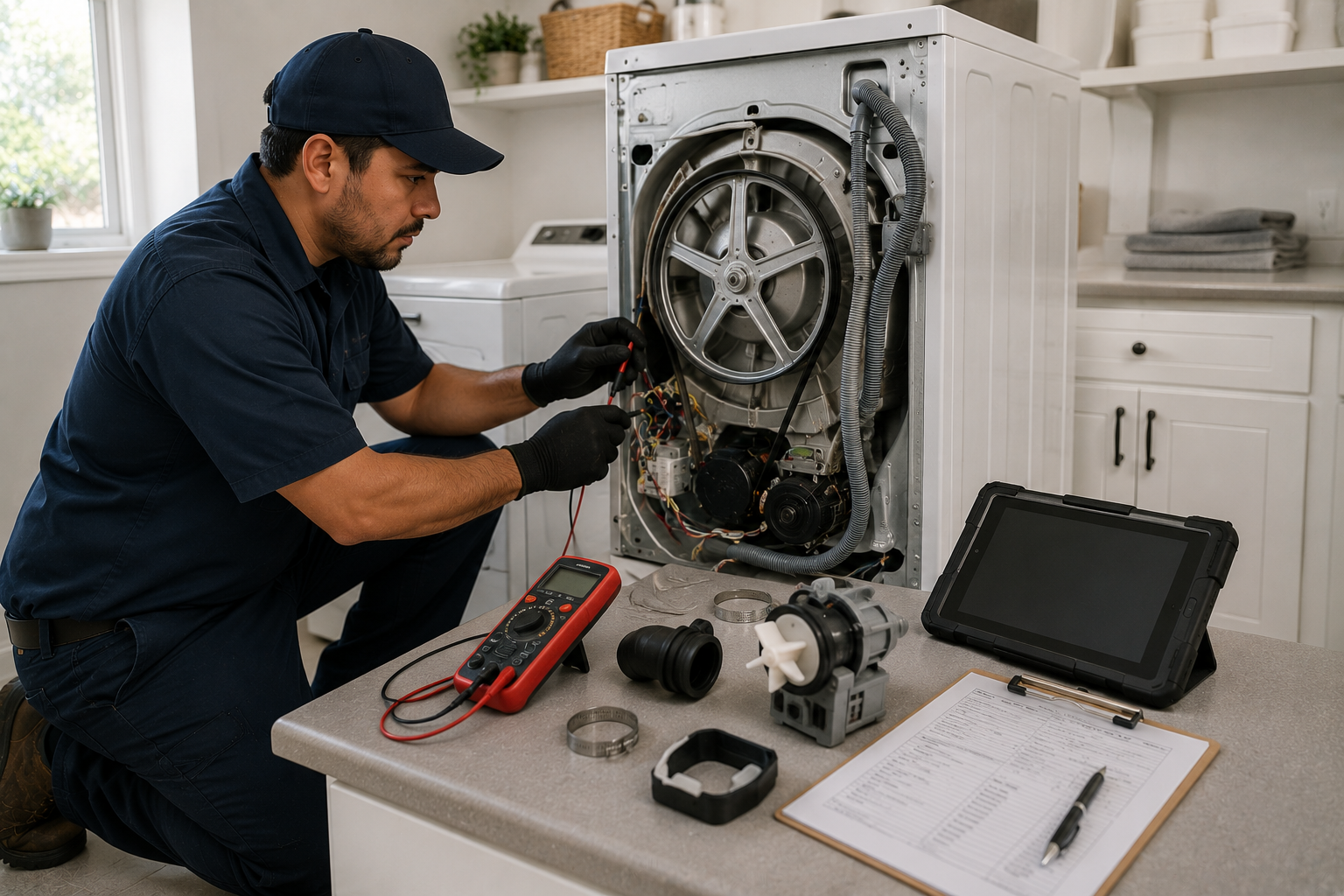
Parts orders and supplier credits need repair-ticket matching.
An audit measures what this costs you now, and where it sits against everything else worth fixing.
Trip fees, deposits, and final payments split across systems.
An audit measures what this costs you now, and where it sits against everything else worth fixing.
Warranty work needs separate tracking from billable repairs.
An audit measures what this costs you now, and where it sits against everything else worth fixing.
Before
How it runs now
- Paperwork arrives by email, text, and photo, and lands wherever the person who received it put it.
- The same details get typed in twice — once in the field, once in the office.
- Approvals happen in side conversations, so nobody can reconstruct who agreed to what.
- Whether a job made money is worked out weeks later, if at all.
After
How it could run
- One route in for paperwork, captured at the point it is created rather than chased later.
- Details are entered once and flow to everywhere else they are needed.
- Approvals are recorded as they happen, with the document attached.
- Costs attach to jobs as they are incurred, so margin is visible while you can still act on it.
Hours back each weekMeasured in the audit, so the improvement is checkable rather than claimed.
Fewer things chased twiceMeasured in the audit, so the improvement is checkable rather than claimed.
A process that survives someone leavingMeasured in the audit, so the improvement is checkable rather than claimed.
 CircuIQ