
Industry category
Trades: where the admin goes wrong
Job costs land late, supplier bills pile up, and field paperwork comes back days after the crew did. The office ends up rebuilding what happened.

Trades
Pick the one closest to your business.

Plumbing Companies
What usually goes wrong
Stop chasing parts invoices, emergency job receipts, warranty paperwork, and truck-stock purchases before QuickBooks entry.
Where the time goes
- Supply-house parts invoices need the right job and technician.
- Emergency call receipts arrive after dispatch is already closed.
- Warranty callbacks blur billable work, credits, and replacement parts.
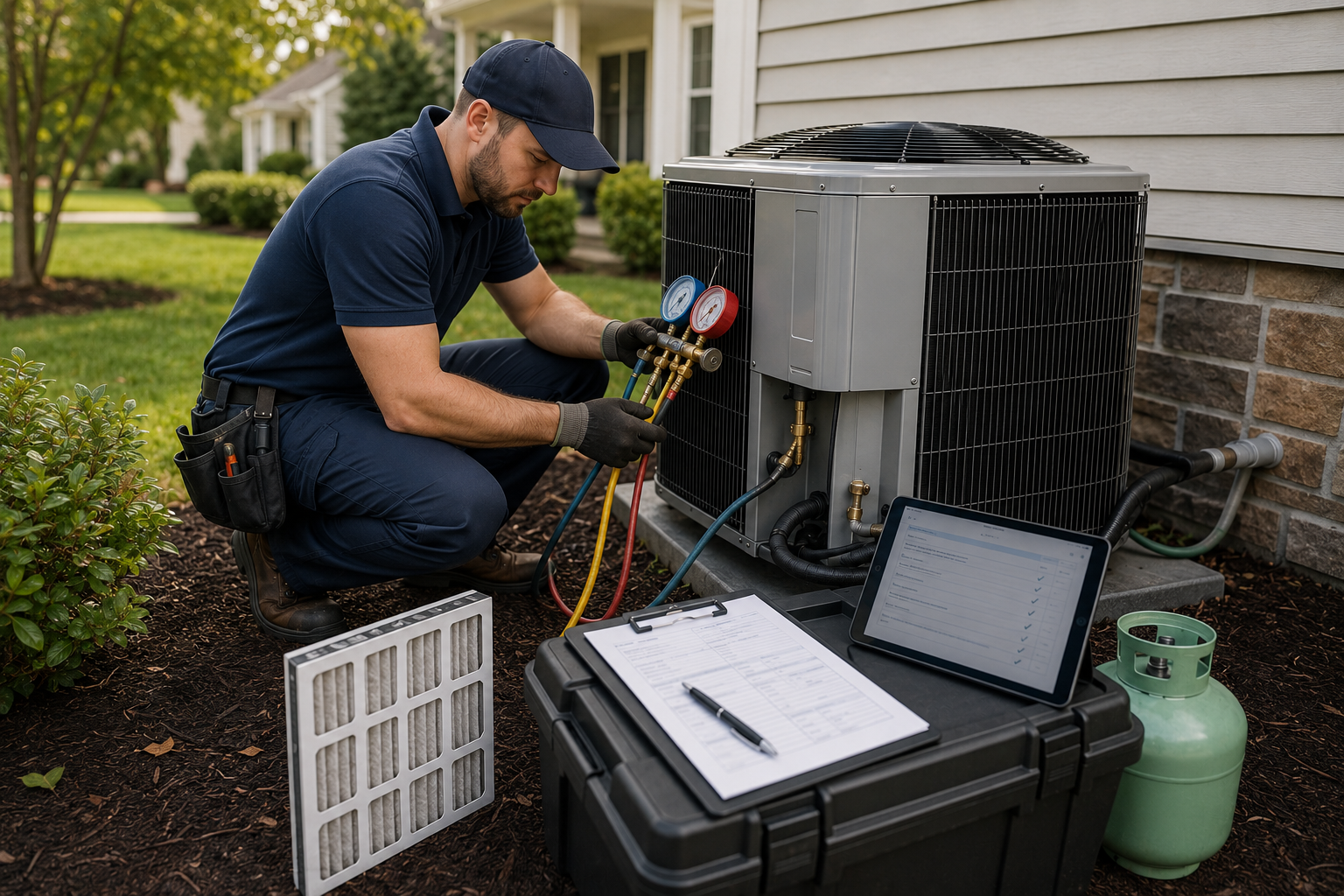
HVAC Companies
What usually goes wrong
Control equipment invoices, maintenance contract expenses, warranty documents, and seasonal approval spikes in one review lane.
Where the time goes
- Equipment invoices must match installs, deposits, and rebates.
- Warranty paperwork gets separated from parts and labor costs.
- Seasonal service surges create unreviewed receipt backlogs.

Electrical Contractors
What usually goes wrong
Route supplier bills, job materials, subcontractor invoices, and approvals through one workflow before posting.
Where the time goes
- Wire, fixture, and panel purchases need project-level coding.
- Change-order materials are hard to separate from base scope.
- Field approvals disappear into texts after inspections are done.
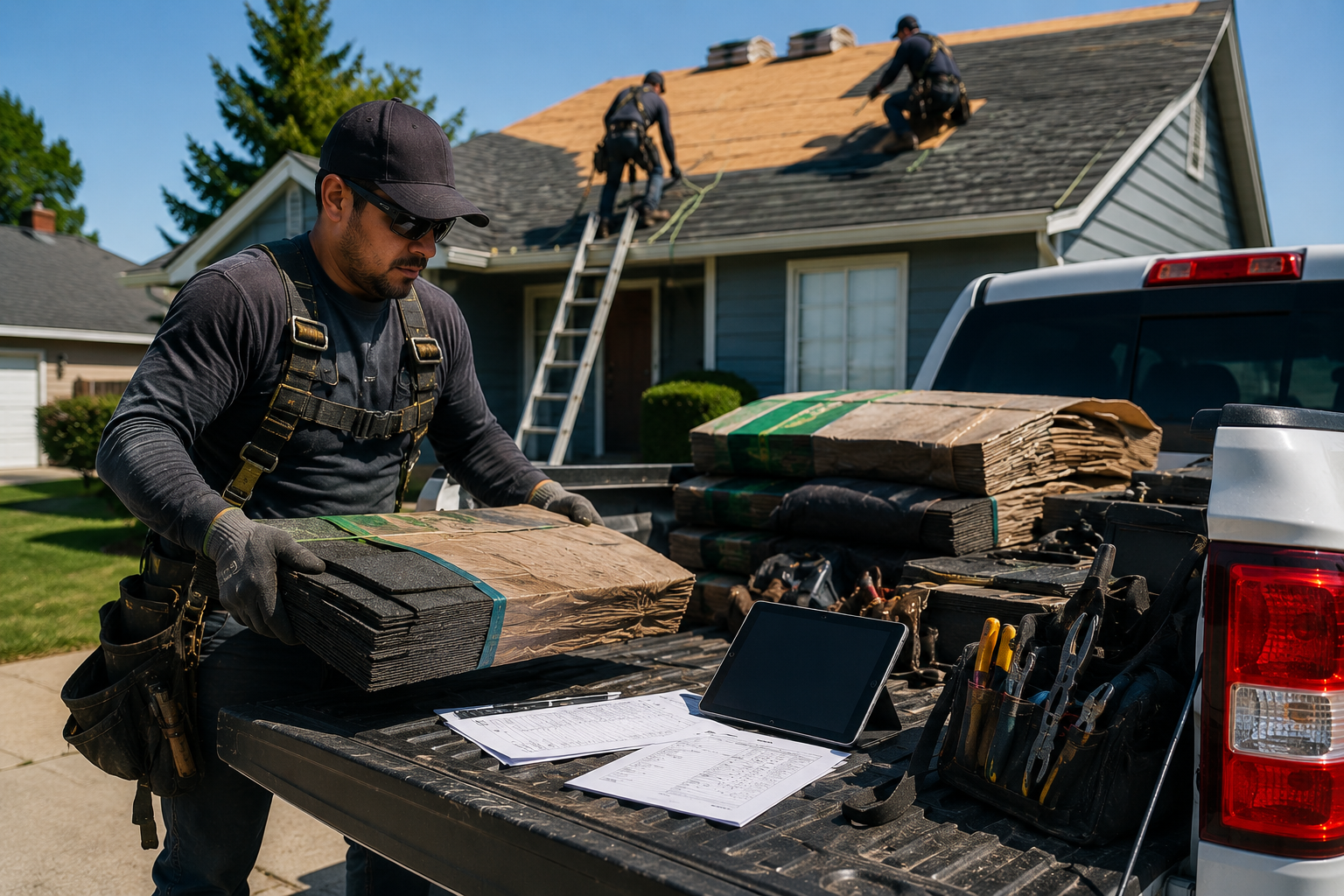
Roofing Companies
What usually goes wrong
Keep material orders, permits, subcontractor bills, deposits, and job receipts tied to the right project.
Where the time goes
- Shingle, underlayment, and dump invoices pile up by job.
- Insurance supplements and change orders need clean backup.
- Subcontractor bills must match crews, phases, and retainage.

Landscaping Companies
What usually goes wrong
Capture equipment purchases, nursery invoices, fuel, seasonal labor costs, and crew approvals before month-end.
Where the time goes
- Nursery, mulch, and hardscape receipts need job matching.
- Fuel, repairs, and equipment rentals get spread across crews.
- Seasonal labor and subcontractor approvals arrive late.

Pest Control Companies
What usually goes wrong
Keep chemical purchases, compliance paperwork, route expenses, fleet receipts, and recurring vendor bills organized.
Where the time goes
- Chemical purchases need service, route, and compliance context.
- Fleet fuel and repair receipts scatter across technicians.
- Recurring service plans create credits, callbacks, and reschedules.

Painting Companies
What usually goes wrong
Organize paint supplier bills, job materials, subcontractor invoices, deposits, and field receipts by project.
Where the time goes
- Paint and sundry purchases need color, phase, and job coding.
- Change-order supplies are easy to bury in daily receipts.
- Subcontractor labor and deposits need owner approval before posting.
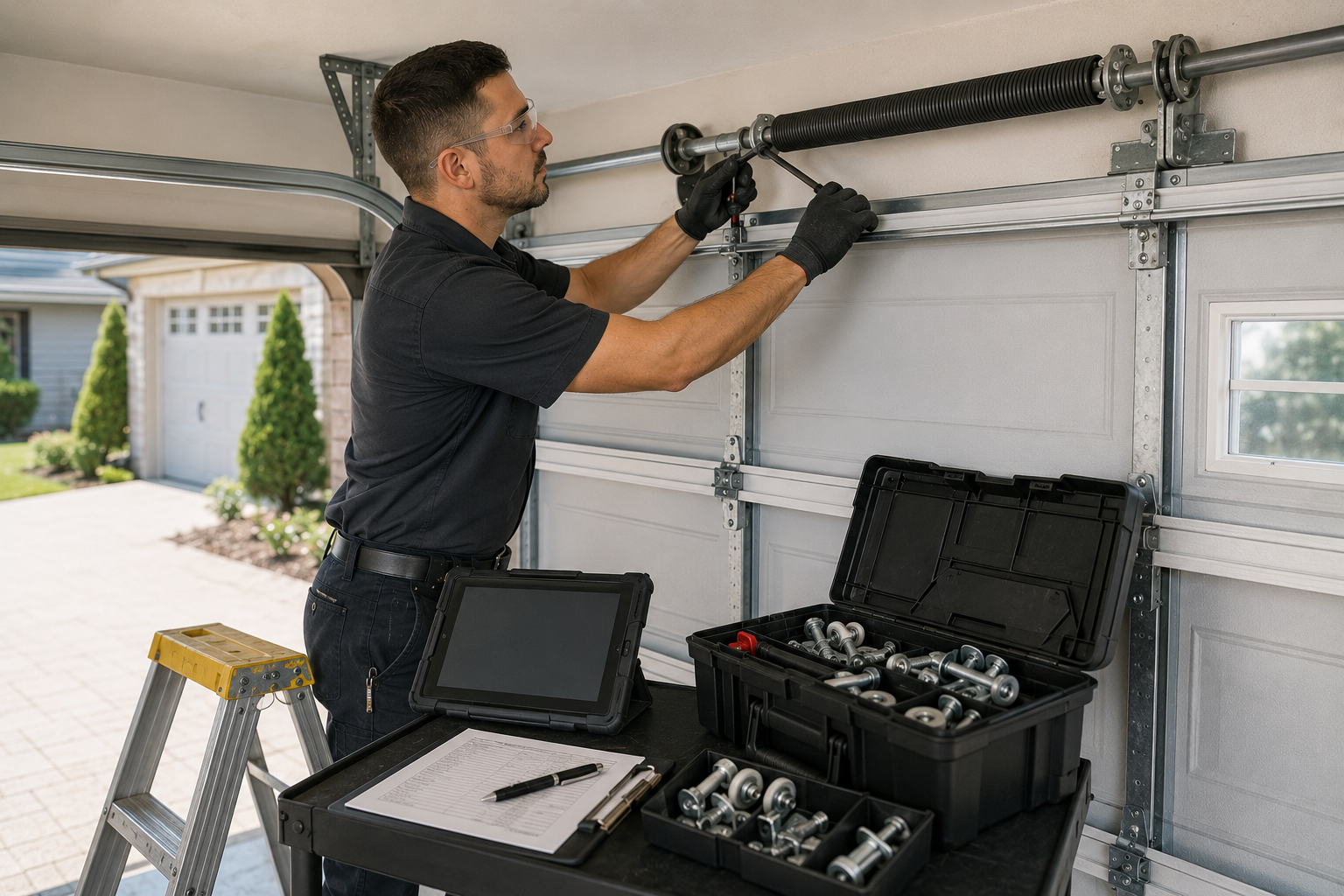
Garage Door Companies
What usually goes wrong
Track parts invoices, emergency calls, opener purchases, warranty work, and technician approvals without inbox digging.
Where the time goes
- Door, spring, and opener parts must tie to each service call.
- Warranty replacements create supplier credits that are easy to miss.
- Technician receipts and customer deposits arrive from different apps.
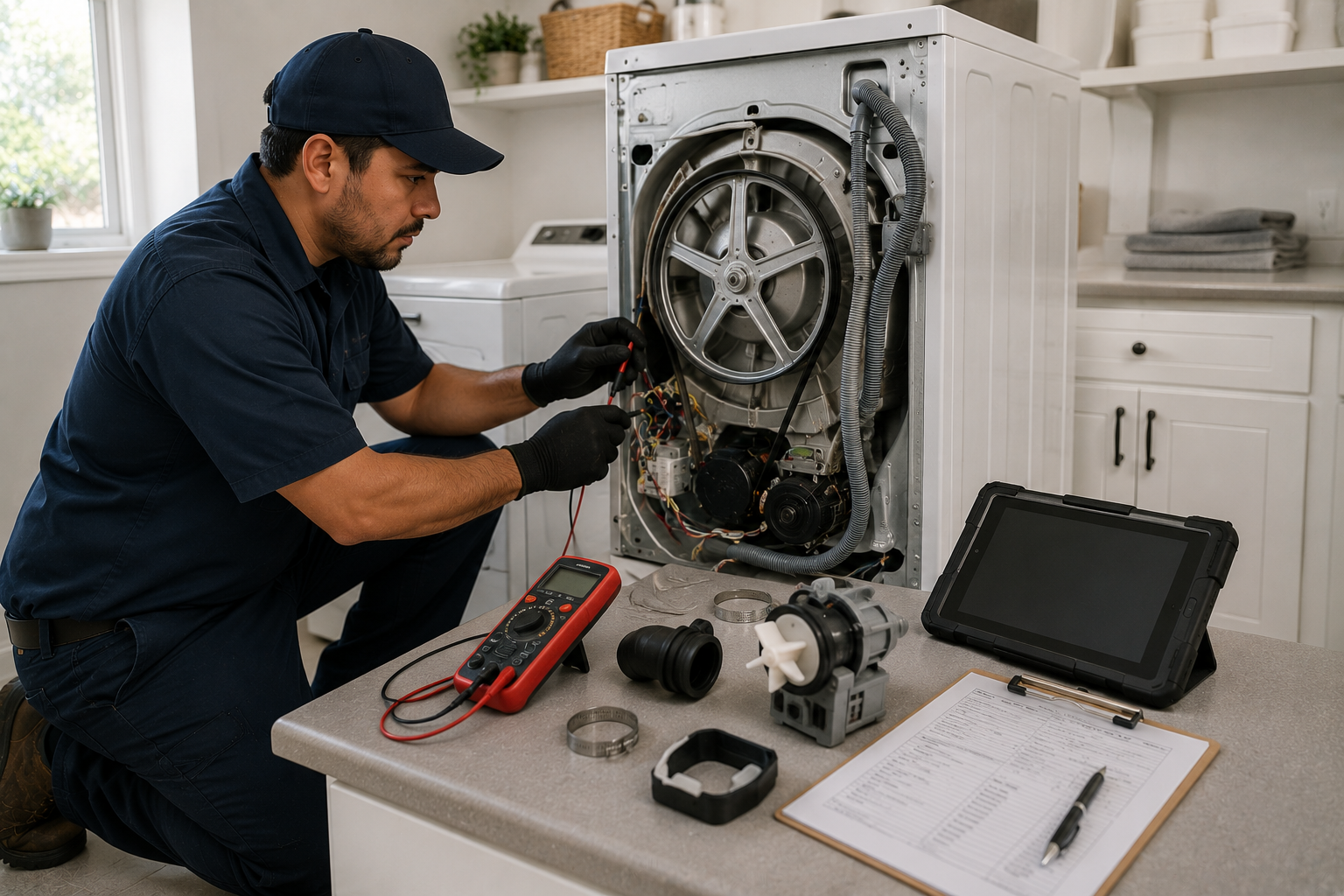
Appliance Repair Companies
What usually goes wrong
Tie part orders, trip charges, deposits, supplier credits, and service receipts back to the right repair job.
Where the time goes
- Parts orders and supplier credits need repair-ticket matching.
- Trip fees, deposits, and final payments split across systems.
- Warranty work needs separate tracking from billable repairs.

Handyman Services
What usually goes wrong
Bring small-job receipts, client deposits, material runs, mileage, and owner approvals into one accounting queue.
Where the time goes
- Small material runs create many low-dollar receipts.
- Mileage and trip charges are hard to assign by client.
- Deposits, progress payments, and add-ons need clear job history.
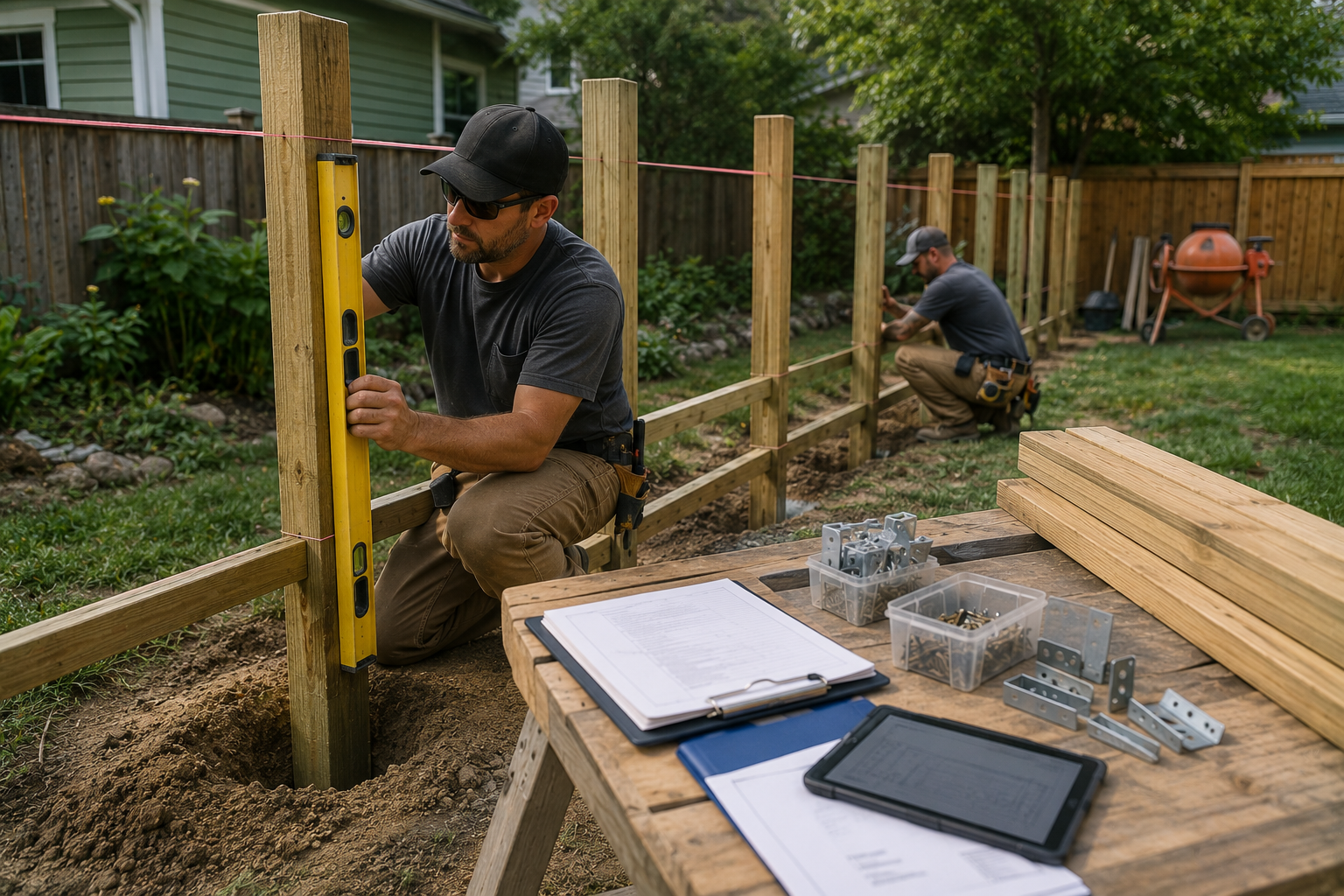
Fence Companies
What usually goes wrong
Route lumber, hardware, subcontractor invoices, permits, deposits, and change-order costs before QuickBooks posting.
Where the time goes
- Lumber, hardware, and gate invoices need project matching.
- Permit fees and utility-locate costs are easy to miss.
- Change orders and deposits need clean margin visibility.

Concrete Contractors
What usually goes wrong
Keep ready-mix bills, equipment rentals, subcontractor labor, job deposits, and approvals matched to each pour.
Where the time goes
- Ready-mix tickets must match pours, crews, and overages.
- Pump, form, and equipment rentals need job-phase coding.
- Weather delays create schedule changes, credits, and rebills.

Deck Builders
What usually goes wrong
Control material invoices, permits, design changes, subcontractor bills, and progress payments by project.
Where the time goes
- Decking, railing, and fastener costs need job-level tracking.
- Permits and design changes create unplanned billable costs.
- Progress payments and subcontractor bills need phase approvals.

Flooring Installers
What usually goes wrong
Match flooring materials, adhesive, labor, deposits, supplier credits, and job receipts before bookkeeping cleanup.
Where the time goes
- Flooring, trim, and adhesive invoices need room or job coding.
- Supplier credits for returns can be missed during close.
- Installer labor and customer deposits need reconciliation by job.

Tile Installers
What usually goes wrong
Organize tile supplier bills, setting materials, subcontractor pay, change orders, and approvals in one review workflow.
Where the time goes
- Tile, grout, and setting materials need phase-level coding.
- Breakage, overage, and change orders distort material margins.
- Subcontractor and helper payments need approval by project.

Drywall Contractors
What usually goes wrong
Keep board, mud, labor, equipment rental, and job-phase invoices from scattering across texts and receipts.
Where the time goes
- Board, mud, tape, and bead costs need phase matching.
- Labor draws and subcontractor invoices need production backup.
- Rental lifts and delivery fees are easy to code to the wrong job.
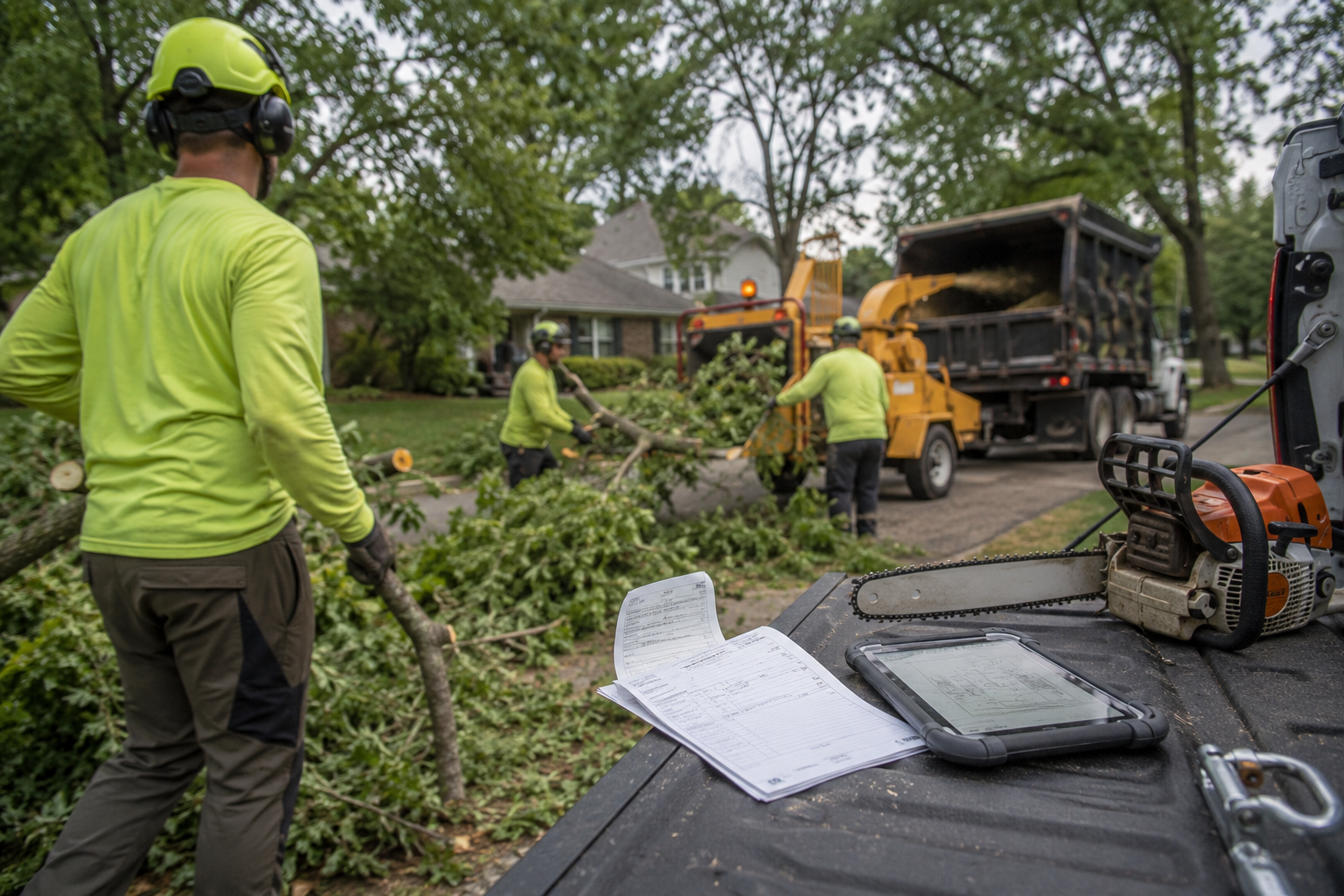
Tree Services
What usually goes wrong
Track equipment repairs, dump fees, fuel, crew expenses, deposits, and emergency-job receipts before reconciliation.
Where the time goes
- Dump fees, permits, and disposal costs need job capture.
- Saw, chipper, and truck repairs blur overhead and job costs.
- Emergency work creates fast deposits and delayed crew receipts.

Junk Removal Companies
What usually goes wrong
Capture dump fees, truck expenses, crew receipts, disposal charges, and customer payments without spreadsheet follow-up.
Where the time goes
- Dump and recycling tickets need customer-job matching.
- Truck fuel, repairs, and tolls scatter across crews.
- Cash, card, and platform payments must reconcile to each pickup.

Moving Companies
What usually goes wrong
Keep deposits, packing supplies, fuel, truck costs, contractor pay, and claims paperwork tied to each move.
Where the time goes
- Deposits, balances, and tips must reconcile by move date.
- Fuel, tolls, and packing supplies need truck and job coding.
- Claims and damage reimbursements require clean document history.
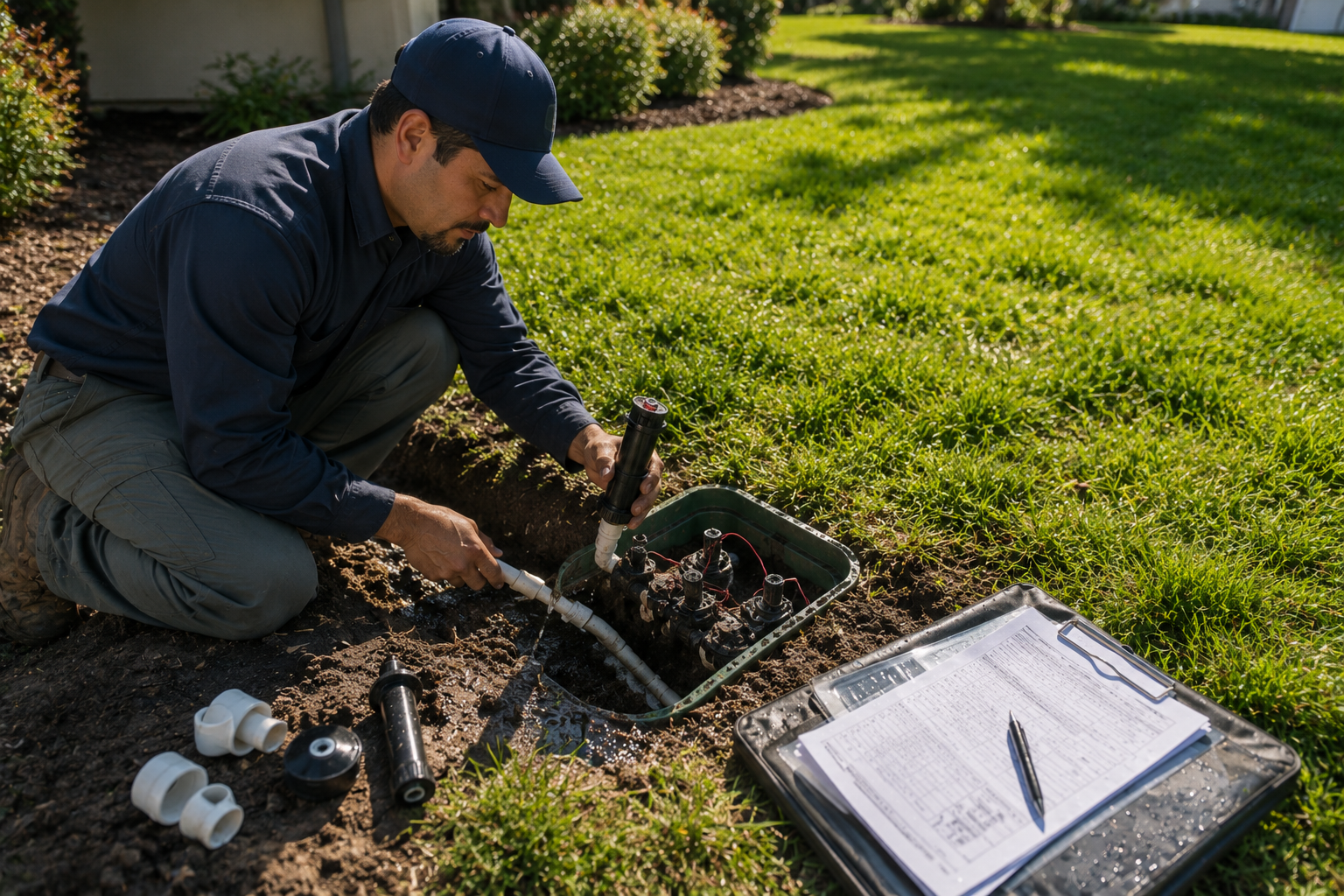
Irrigation Companies
What usually goes wrong
Route parts, seasonal service invoices, warranty work, crew mileage, and approvals before QuickBooks entry.
Where the time goes
- Valves, heads, and controller parts need service-ticket matching.
- Seasonal startups create a rush of crew receipts.
- Warranty repairs and recurring service plans need separate coding.
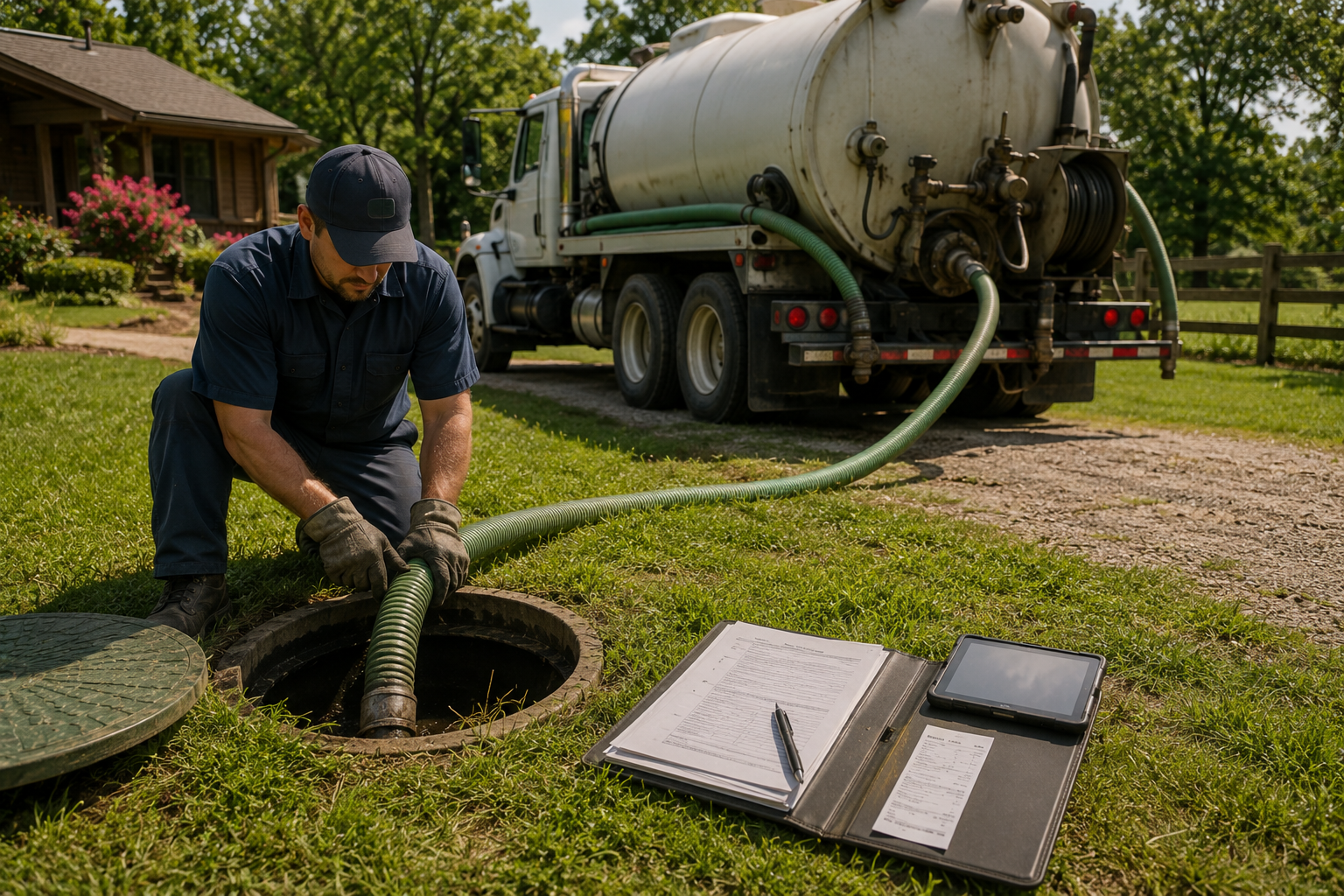
Septic Services
What usually goes wrong
Track pump-out receipts, disposal fees, maintenance contracts, truck expenses, and technician approvals cleanly.
Where the time goes
- Disposal fees and pump-out tickets need route-level matching.
- Truck maintenance and fuel costs need service-line context.
- Maintenance contracts create renewals, credits, and missed invoices.

Chimney Sweep Companies
What usually goes wrong
Organize inspection fees, repair materials, route expenses, deposits, and service documentation before close.
Where the time goes
- Inspection fees and repair materials need property-level records.
- Deposits and final payments split across inspection and repair work.
- Route expenses and technician receipts arrive after service is done.